How to get rid of old appliances depends on whether they work, how large they are, and what parts they contain. Working appliances may be donated or sold. Broken units may go to a recycling center or a local junk removal team. Safe preparation helps protect people, floors, walls, and the environment.
Table of Contents
- What Is the Best Way to Get Rid of Old Appliances?
- Can You Recycle Refrigerators, Washers, and Dryers?
- How Should You Prepare an Appliance for Removal?
- How Do You Get Rid of an Old Refrigerator?
- How Do You Get Rid of an Old Washer or Dryer?
- Can You Donate or Sell Old Appliances?
- How Much Does Appliance Removal Usually Cost?
- What Happens During Professional Appliance Pickup?
- What Should You Do With Other Household Appliances?
- How Can You Choose a Responsible Appliance Removal Company?
- Frequently Asked Questions
What Is the Best Way to Get Rid of Old Appliances?
The best choice depends on the appliance’s condition, size, and weight. Working units may be donated or sold. Broken appliances may need recycling or professional pickup. In Bothell, owners should also check whether a center, store, or hauler accepts the item.
Choosing between donation, resale, recycling, and removal
Donation is a good choice when an appliance is clean, safe, and ready to use. Some groups accept only certain brands or models. Others ask the owner to deliver the item. A donation center may reject units with rust, water damage, missing parts, or poor working condition.
Selling may work when the appliance runs well and has a clear history. A listing should include the brand, model, age, condition, and pickup needs. Be honest about leaks, damage, noise, or repairs. Buyers need clear details before they agree to take the unit.
Recycling often fits broken appliances. Large units contain steel, aluminum, plastic, glass, wires, and other useful parts. A recycling center can sort these materials and send them through the right process. This can be a better choice than placing a large appliance with regular trash.
When professional appliance pickup makes the most sense
Professional pickup helps when an appliance is too heavy, large, or hard to move. This is common with refrigerators, freezers, washers, dryers, ovens, and dishwashers. Stairs, narrow doors, tight turns, and long paths to the truck can make moving risky.
Bothell WA Junk Removal can help Bothell homeowners review the best option. The team can look at the appliance, access path, and removal needs. This gives the owner a clear plan before anyone tries to lift the unit.
Can You Recycle Refrigerators, Washers, and Dryers?
Yes, many refrigerators, washers, and dryers can be recycled. A recycling center first removes parts that need special care. The remaining metal, plastic, wiring, and other materials can then be sorted.
How appliance recycling works
Appliances contain several different materials. A washer may have steel, aluminum, plastic, wires, and electronic parts. A dryer may contain metal, heating parts, insulation, and wiring. Recycling separates these materials instead of sending the whole appliance to a landfill.
Large appliances may be collected by a recycling center, store, utility program, or removal company. Rules differ from place to place. Before scheduling pickup, ask where the appliance will go and whether the provider accepts that model.
Recycling does not mean the owner should take the appliance apart. Disassembly can expose sharp metal, electrical parts, stored energy, or chemicals. Trained workers have the tools and steps needed to handle those parts safely.
Why refrigerators require special handling
Refrigerators may contain refrigerant. Refrigerant is a chemical that helps keep the inside cold. A trained technician must recover it before the unit is processed. Homeowners should not cut lines, puncture coils, or remove the compressor.
The U.S. Environmental Protection Agency explains refrigerator and air-conditioning refrigerant rules for technicians and businesses that handle these materials. The safer choice is to use a provider that understands the rules and works with an approved recycling or disposal channel.
How Should You Prepare an Appliance for Removal?
Preparation starts with making the appliance empty, dry, safe, and easy to reach. Homeowners can handle simple cleaning and clearing tasks. They should leave gas lines, water lines, refrigerant lines, and hardwired electrical work to qualified professionals.
Disconnecting water, electricity, and gas safely
Unplug a small appliance only when the plug is easy to reach and the cord looks safe. Pull the plug, not the cord. If an appliance is hardwired, connected to gas, or linked to a water line, have a qualified person disconnect it.
Turn off water valves before moving a washer or dishwasher. A little water may remain inside the hoses. Keep towels and a shallow container nearby. Do not force a stuck connection. Gas appliances need extra care because a damaged line can cause a serious hazard.
Clearing a path from the appliance to the exit
Remove boxes, rugs, toys, and other items from the route. Measure narrow doors and tight turns before pickup. Open doors fully when possible. Protect corners and walls that could be scratched.
You can clean loose dirt from the unit and remove shelves, racks, lint, and food. Tape loose doors only when the removal team asks you to do so. Keep children and pets away from an open refrigerator or freezer.
Use this simple preparation checklist:
- Empty food, clothing, dishes, and other contents.
- Unplug the unit only when it is safe to do so.
- Shut off water or gas connections with qualified help when needed.
- Clear the path from the appliance to the exit.
- Tell the pickup team about stairs, tight turns, gates, or hazards.
How Do You Get Rid of an Old Refrigerator?
The safest way to get rid of an old refrigerator is through recycling, retailer take-back, or professional pickup. Refrigerators are heavy and may contain refrigerant. Do not place one with regular household trash until you know the local rules.
Removing food, shelves, and loose parts
Remove all food from the refrigerator and freezer. Let ice melt in a safe place, then dry the inside. Take out shelves, drawers, bins, and door racks when they can be removed without force.
Keep small parts with the unit when possible. Wrap a cracked or sharp shelf with care and tell the pickup team. Remove magnets, papers, and items stored on top. The refrigerator should be empty before it moves.
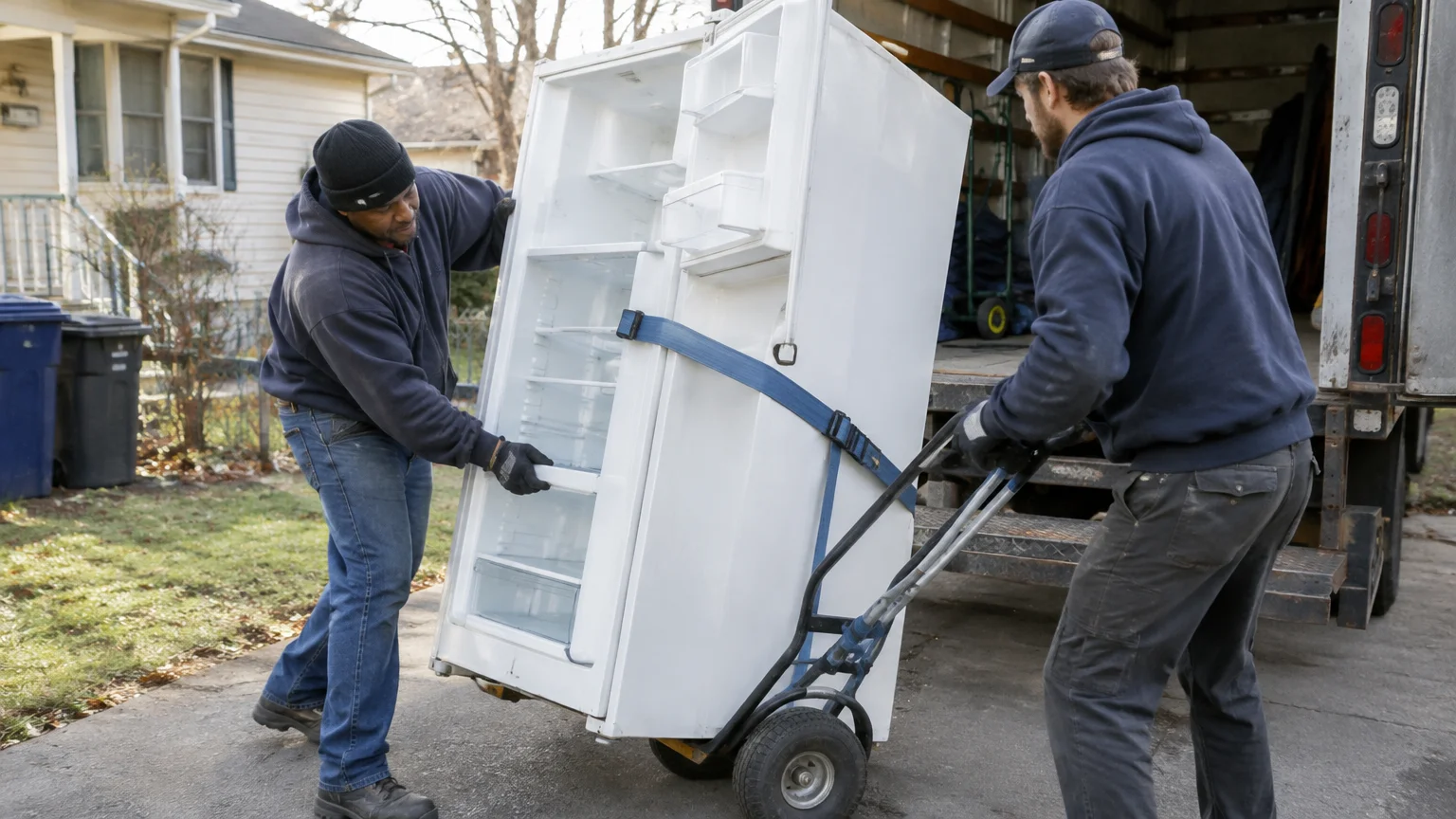
Never move a refrigerator alone. Its weight can shift without warning. A hand truck, straps, and more than one person may be needed. Keep the unit upright when possible and follow the manufacturer’s guidance.
Handling refrigerants and other regulated components
Refrigerant must be recovered before a refrigerator is recycled or disposed of. The compressor, oil, wiring, and insulation may also need special handling. Do not puncture the cooling system or remove these parts at home.
Old freezers and beverage coolers may need similar care. A local recycling program may have its own acceptance rules. Bothell WA Junk Removal can help residents understand whether a refrigerator, freezer, or cooler needs special pickup planning.
How Do You Get Rid of an Old Washer or Dryer?
An old washer or dryer may go to an appliance recycler, retailer take-back program, or professional removal team. The washer must be drained and disconnected safely. A dryer must be identified as gas or electric before anyone moves it.
Preparing washing machines for pickup
Remove clothing and detergent from the washer. Run a drain cycle if the machine still works and it is safe to use. Then shut off the water supply and disconnect the hoses through the proper process.
Water may remain in the drum or drain hose. Keep the hose raised or place it in a container during removal. Secure the lid or door only as directed. Do not force a stuck drum or move a machine that leaks heavily.
Washers are dense and hard to carry. Their weight can damage stairs, flooring, or a person’s back. A removal team can use suitable equipment and plan the route before lifting.
Safety considerations for gas and electric dryers
A gas dryer should be disconnected by a qualified professional. The gas valve must be closed, and the connection should be checked for damage. Never cut or cap a gas line without proper training.
An electric dryer may use a high-voltage connection. If it is hardwired or the outlet is damaged, professional electrical help is safer. Clean lint from the filter and remove clothing before pickup. Do not open the dryer cabinet.
Can You Donate or Sell Old Appliances?
You can donate or sell an old appliance when it is clean, safe, complete, and useful. Broken, unsafe, recalled, or badly damaged units are better suited for recycling or removal.
When an appliance may be suitable for reuse
A working appliance may help another household, rental property, workshop, or community group. It should start, run, drain, cool, heat, or dry as intended. Share known problems instead of passing them to another person.
Donation groups often have rules about age, condition, pickup, and proof of ownership. Some accept only certain appliances. Others may not take refrigerators or gas units because of handling needs. Check first to avoid a failed drop-off.
What to check before listing or donating it
Clean the appliance inside and outside. Find the model and serial information. Write down the age, known repairs, missing parts, and unusual sounds or leaks.
A listing should say whether the buyer must arrange transport. Large appliances are hard to move, and many buyers need help. If no buyer or donation group is available, a local junk removal service may be a practical next step.
Searchers may also read reviews before scheduling appliance pickup. Reviews should mention communication, arrival planning, item handling, and cleanup. Vague claims are less useful than clear details about the service.
How Much Does Appliance Removal Usually Cost?
Appliance removal costs vary by the appliance, access, labor, disposal needs, and local rules. One small item in an open area is usually simpler than several heavy units in a basement. The final cost is confirmed on a quote after the provider understands the job.
What factors affect the cost of appliance removal
The main factors include the number of items, appliance size, weight, stairs, distance from the truck, and condition. A refrigerator that needs special handling may require a different process than a simple metal frame. Tight doorways and long carry paths can also add work.
Urgent timing, difficult access, and extra household junk may change the job. Tell the provider about these details early. Clear information helps the company prepare and give a more accurate quote.
How appliance pickup compares with other disposal options
Retailer take-back may fit someone buying a replacement, but rules vary. A recycling center may accept the unit but require the owner to deliver it. Donation may work for a clean, working appliance but not for a broken one.
Professional pickup can be a simple choice for heavy or awkward appliances. It can reduce lifting, transport, and sorting work for the owner. Bothell WA Junk Removal serves the main Bothell area, including Canyon Park, North Creek, Woodinville, Kenmore, Mill Creek, Brier, and nearby communities.
What Happens During Professional Appliance Pickup?
During professional pickup, the team reviews the appliances, access route, and removal plan. Workers then move the items with suitable tools and load them for the next step. The homeowner should point out fragile floors, narrow turns, gates, pets, and other concerns.
What homeowners can expect on pickup day
The team may confirm which items are included before work begins. It may also check whether the appliances are empty and disconnected. If an item is unsafe to move, the team should explain the concern before continuing.
Workers may use a hand truck, lifting straps, pads, and protective gear. They should tell the homeowner about any change in the work. The process may take longer when appliances are in a basement, behind other items, or near fragile surfaces.
The homeowner does not need to take apart the appliance. Doing so may create sharp edges or expose parts that need special handling. The team can decide which steps are safe and suitable.
How removal teams protect floors, walls, and doorways
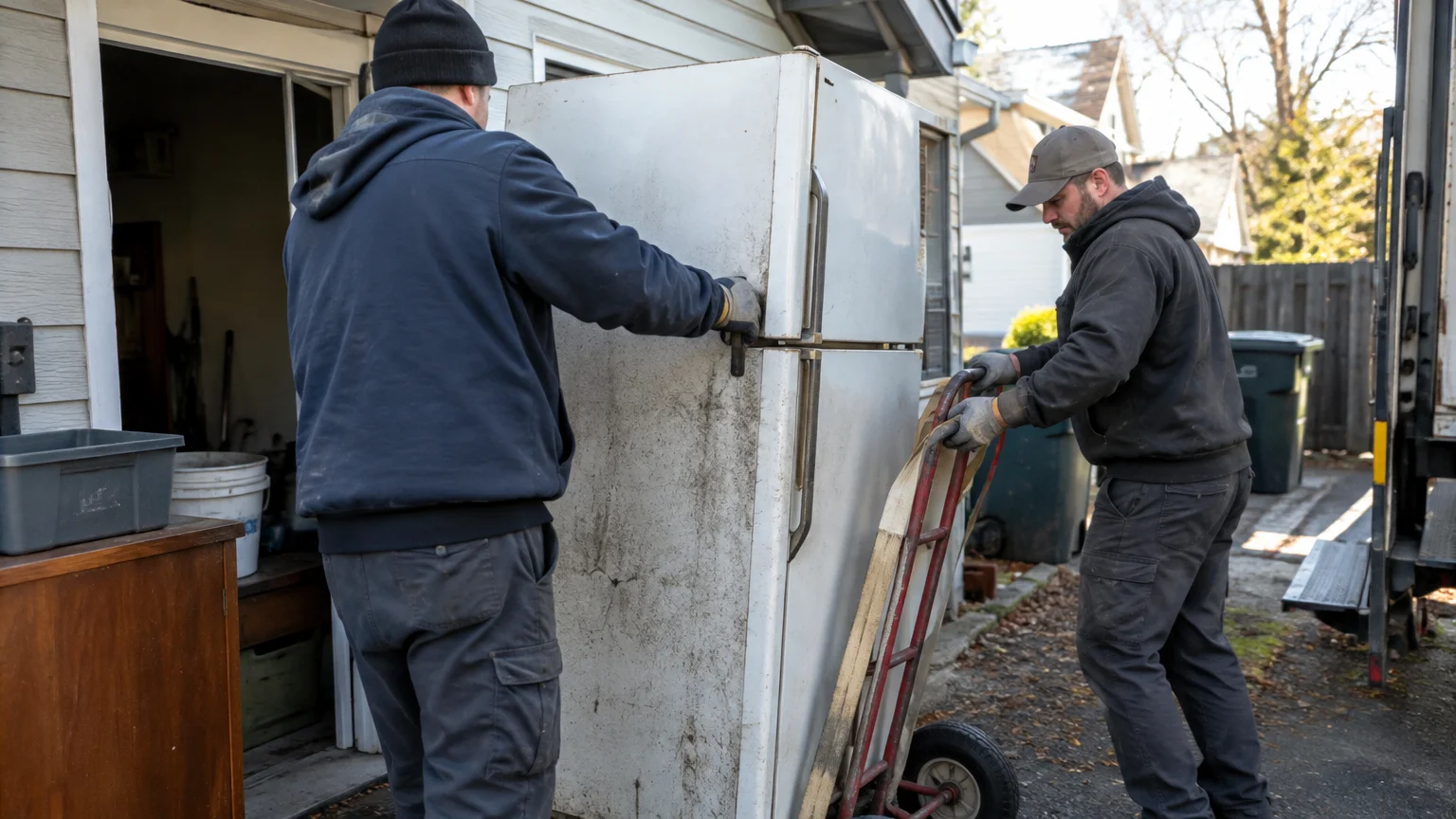
Good planning helps prevent damage. Workers may cover floors, pad corners, use door protection, and choose a route with fewer turns. They should avoid dragging heavy appliances across finished flooring.
Homeowners can help by clearing the path before arrival. Keep children and pets away from the work area. After loading, the team should check for loose debris and leave the area neat.
What Should You Do With Other Household Appliances?
Dishwashers, ovens, microwaves, freezers, and small appliances may also need special handling. The right choice depends on whether the item works, how it connects, and what materials it contains.
Disposing of dishwashers, ovens, microwaves, and freezers
Dishwashers often hold water in their hoses or base. They may also be hardwired under a counter. A qualified person should handle electrical and water connections before removal.
Ovens may be gas or electric. Gas ovens need safe disconnection. Electric ovens may use a high-voltage connection. Microwaves can contain electrical parts and should not be taken apart at home.
Freezers are like refrigerators because they may contain refrigerant. Empty the unit, keep the door safe, and ask the recycling or pickup provider about its rules.
Separating appliances with electronics or hazardous materials
Some appliances contain circuit boards, batteries, oils, refrigerants, or other parts that should not enter regular trash. Tell the provider about unusual items, leaks, damage, or attached electronics.
Small appliances may fit a local electronic recycling program, but acceptance rules vary. Unsafe items should not be mixed with ordinary household junk. When unsure, ask before placing the item at the curb.
How Can You Choose a Responsible Appliance Removal Company?
A responsible company explains the removal plan, handles appliances safely, and gives clear information about reuse, recycling, and disposal. Choose a provider that understands heavy lifting and special appliance concerns for residential or commercial cleanouts.
Questions to ask about recycling and disposal
Ask these questions before scheduling:
- Does the company accept refrigerators, freezers, washers, dryers, and ovens?
- How does the company handle refrigerant and gas-connected appliances?
- Are suitable appliances taken to a recycling or reuse partner?
- Can the team handle stairs, narrow doors, and long carry routes?
- What details are needed before the quote is confirmed?
- Will the work area be checked for loose debris after pickup?
Clear answers are more useful than broad promises. The company should explain its limits before the appointment. It should also avoid telling homeowners to perform unsafe disconnections.
Key takeaways for a simpler appliance cleanout
- Working appliances may be donated or sold.
- Broken units often need recycling or professional removal.
- Refrigerators and freezers need special care because they may contain refrigerant.
- Gas and hardwired appliances should be disconnected by qualified help.
- A clear access path helps protect people, floors, walls, and doors.
Bothell WA Junk Removal helps homeowners plan appliance pickup and nearby cleanouts. Contact us today to arrange a safe appliance collection.
Frequently Asked Questions
How do you get rid of a fridge?
Empty and dry the fridge, then arrange retailer take-back, recycling, or professional pickup. Do not cut cooling lines or remove the compressor. Refrigerant needs proper recovery before recycling. A removal provider can handle the heavy lifting and help direct the refrigerator through an approved process.
What happens to old appliances?
Old appliances may be donated, reused for parts, recycled, or sent through an approved disposal channel. Working units may serve another household. Broken units are often sorted for metal, plastic, wiring, and other materials. The final path depends on the appliance and local acceptance rules.
Can a homeowner recycle a washer or dryer?
A homeowner may be able to take a washer or dryer to a recycling facility, but rules differ. The appliance must be disconnected safely and transported without injury or property damage. Professional pickup may be simpler when the unit is heavy, upstairs, hardwired, or connected to gas.
What is a cleanout service?
A cleanout service removes unwanted items from a home, room, garage, attic, basement, or property. It may include sorting, carrying, loading, and directing items toward reuse, recycling, or disposal. Appliance pickup is one part of a larger household cleanout when several large items need removal.
How do you get rid of a hot tub?
A hot tub usually needs a separate removal plan because it is large, heavy, and often connected to electrical and plumbing systems. A qualified person should disconnect utilities first. The shell may need to be dismantled by trained workers. Ask the removal company about access, cutting, and disposal steps.
If you are unsure what you have, arrange an assessment before the job becomes harder.
If you are not sure what you are dealing with, it is worth having someone look at it before it turns into a bigger job. Get in touch with Bothell WA Junk Removal today and we will tell you where you stand.